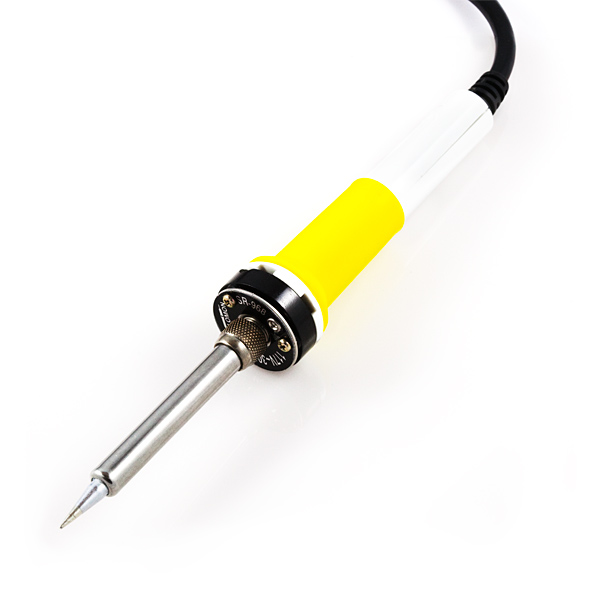
Soldering Iron
A soldering iron is used to melt solder (a metal alloy) that allows electricity to flow by creating a permanent bond between two metal work pieces.
Be careful with soldering irons, as they get very hot and can cause burns.
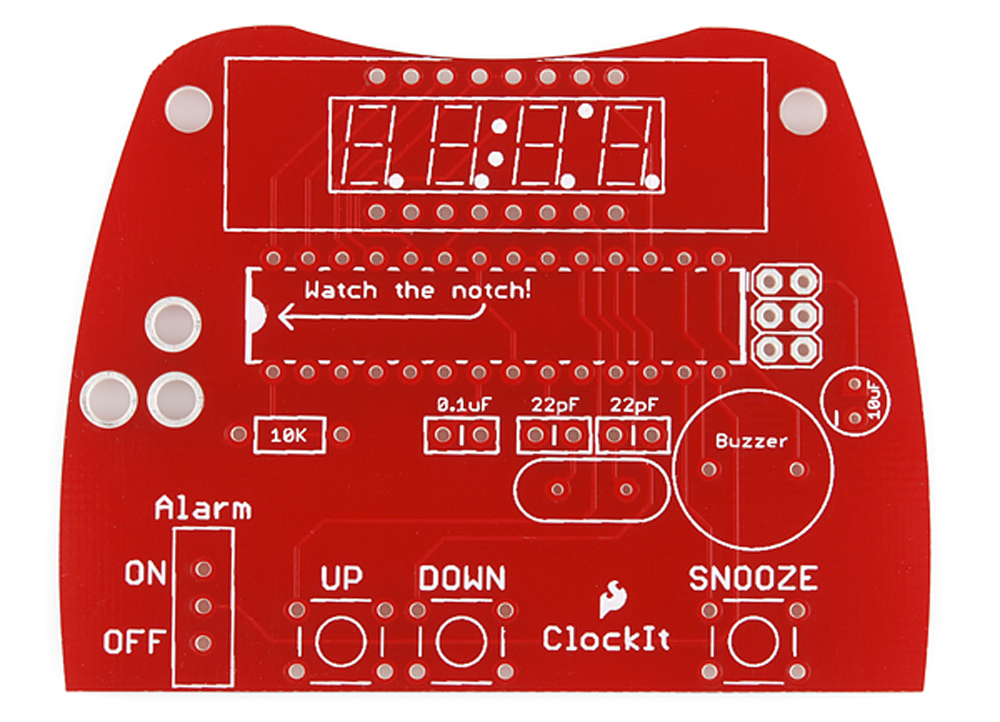
PCB
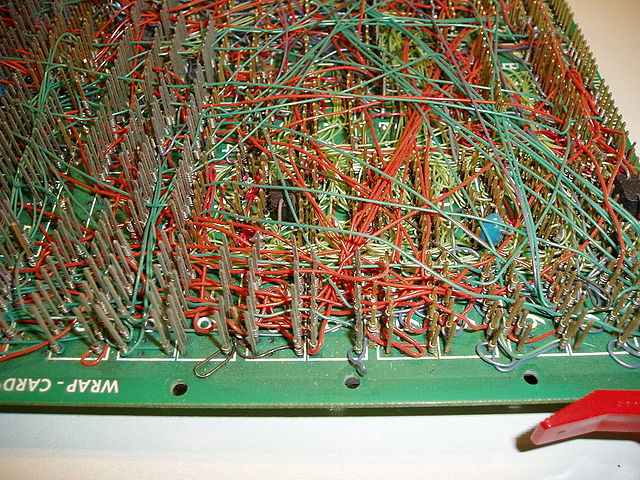
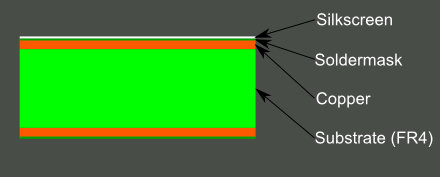
PCB stands for printed circuit board — a board with lines and pads connecting various points together. Traces are lines that electrically connect the various connectors and components to each other. Modern PCBs protect circuits through alternating layers of different materials which are laminated together with heat and adhesive, unlike older point-to-point wiring methods.
Solder is the metal that creates electrical connections between the PCB surface and components, functioning both as a conductor and a strong mechanical adhesive that allows electricity to pass through.
Photocell
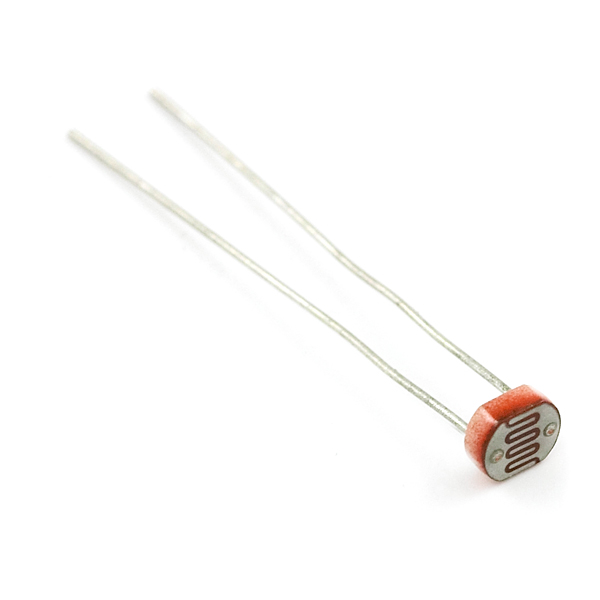
A photocell changes its electrical conductivity when light shines on it. When it senses light, electricity flows through it, but when it is dark, and no light shines on it, almost no electricity flows through it.
Transistor
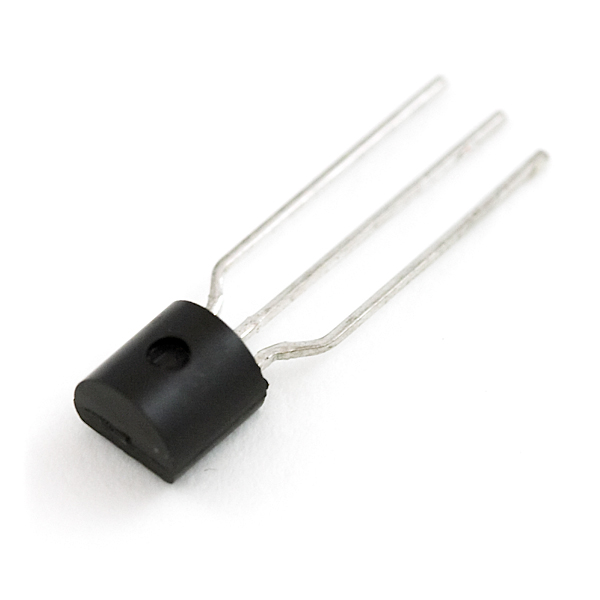
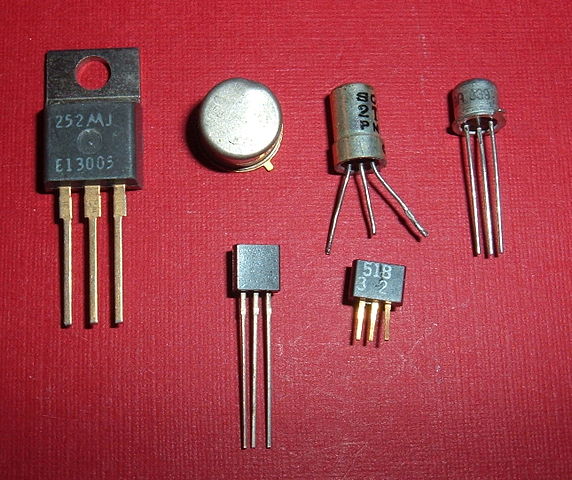
Transistors are three-pin components shaped like half circles. They have two primary functions: as amplifiers that boost small electric currents (used in hearing aids), and as switches that store binary states of "on" or "off" (represented as 1s and 0s for storing information).
Diode
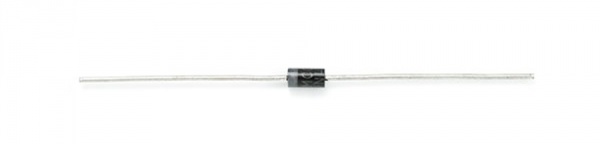
Diodes control the flow of electricity in one direction. They have two sides: the anode (positive) and cathode (negative), with current flowing from anode to cathode. A grey band indicates the cathode side. It is important to solder diodes on correctly, in the right direction, particularly for LEDs.
LED
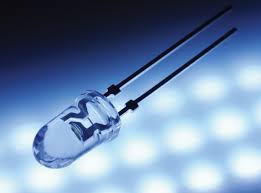
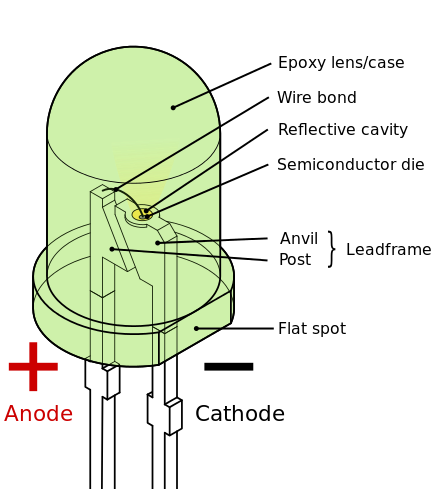
LED stands for light emitting diode. It is a type of diode that emits light. One wire is longer than the other, indicating the positive side, while a flat spot on the light shows the negative terminal. These features show proper positioning and electrical flow direction.
Push Button
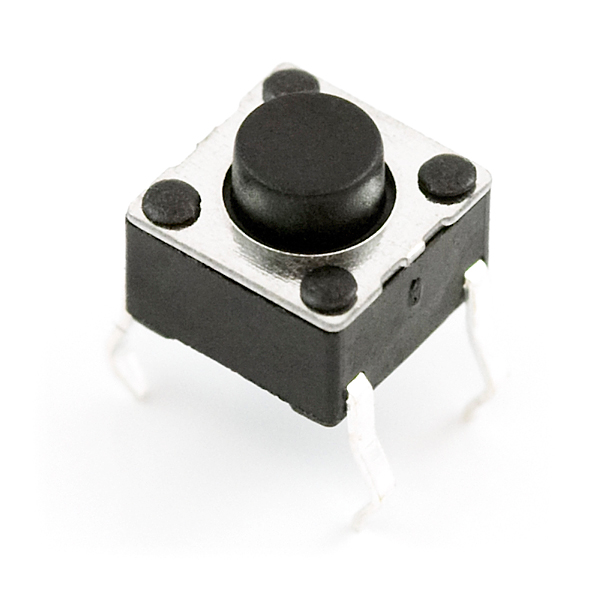
A push button acts as a switch and can start or stop the flow of electricity. It can break the flow of electricity, causing the current to start or stop.
Resistor
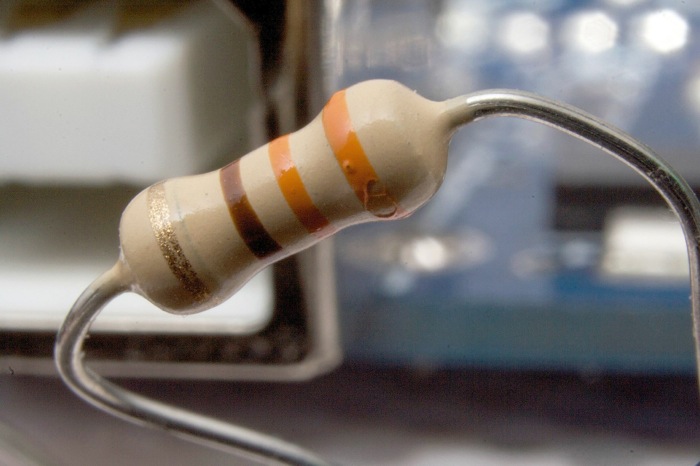
A resistor is used to reduce or limit the amount of current in the circuit. They are commonly used with LEDs to limit the amount of current, otherwise, too much current can damage it.
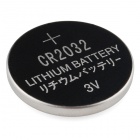
Battery
A battery can store energy and can convert chemical energy into electrical energy. Batteries supply the electrical current needed to power equipment. This project uses either coin batteries or 9-volt batteries.